
Switching Laptops
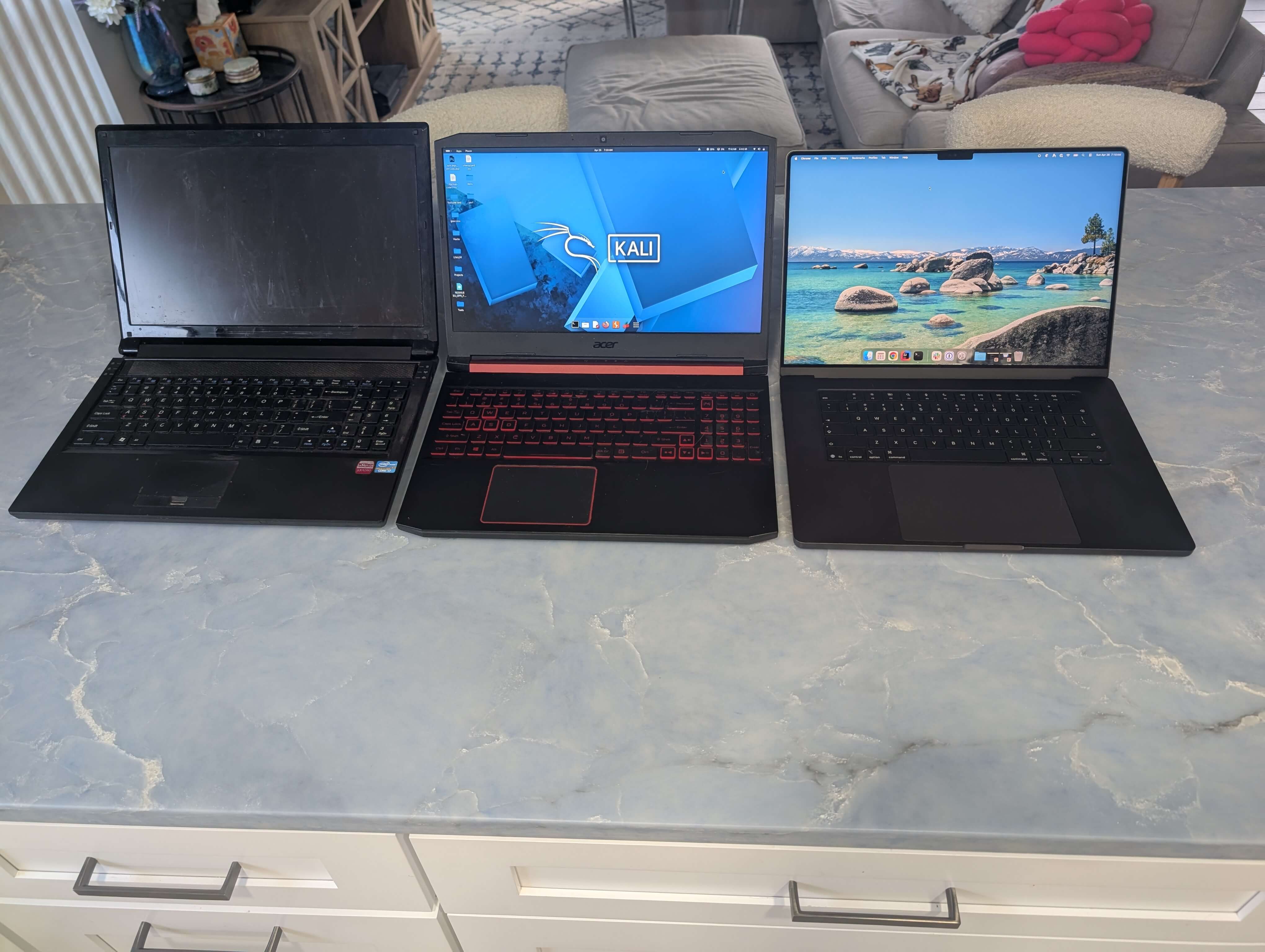
A long time ago in June of 2011 I obtained my first laptop which was a customized laptop from Sager Notebooks (NP8130). This was a pretty beefy laptop for its time and rocked specs like:
- NVIDIA GTX 560M
- Intel i7-2630M
- 12GB of DDR3
- 500GB SATA drive
This was a powerhouse of a laptop, but extremely bulky and heavy. It was amazing for a learning student as I dual booted Windows and Linux for my beginning research into everything technical. Year after year in college my desk at home used this laptop as the center piece wiring up monitors and more.
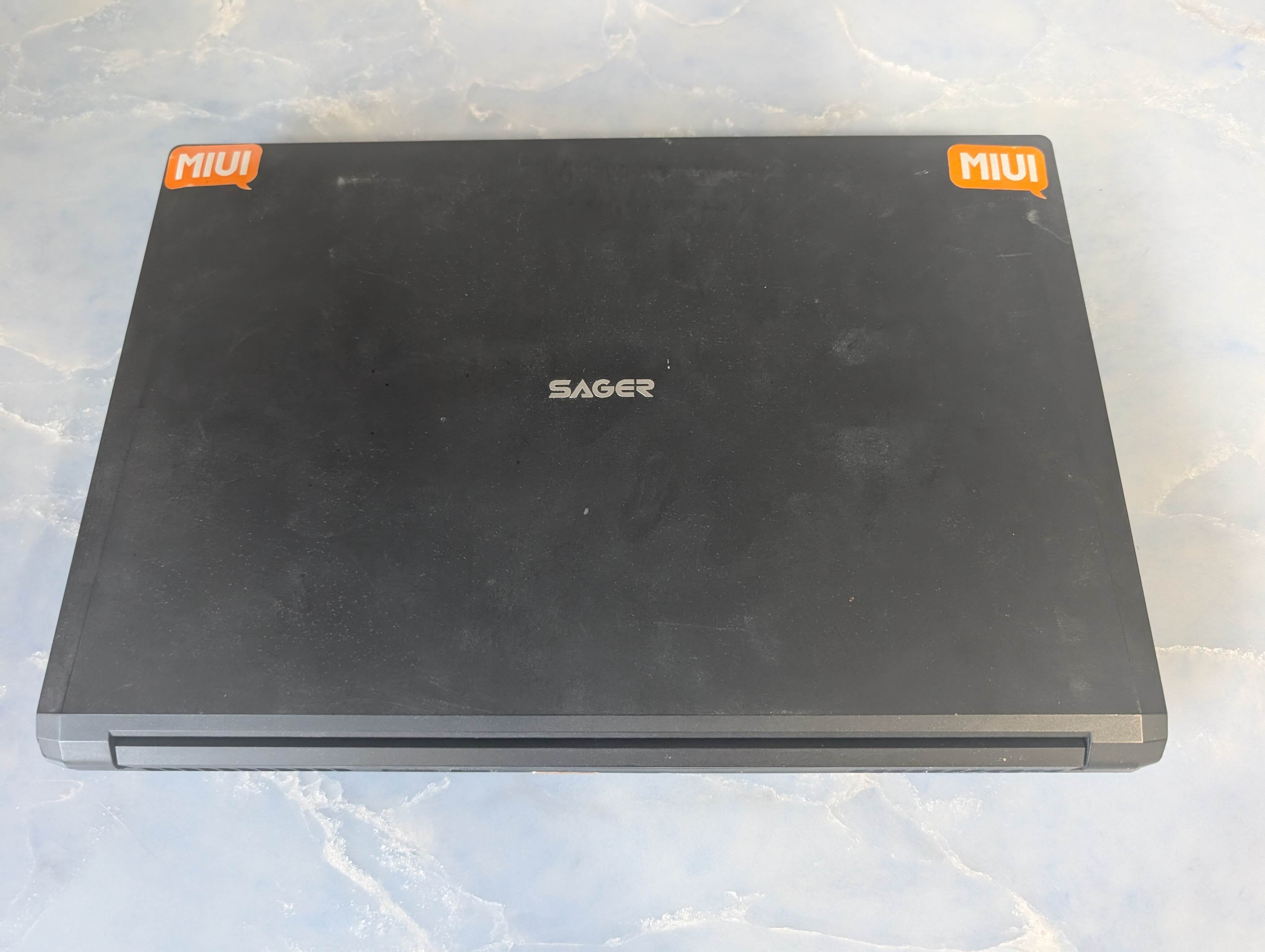
Much like I talked about in the "Retiring Technology" blog I replaced power cables, hard drives & upgraded memory throughout the life of this laptop. I had so much history and configuration that I was never really wanted to switch laptops - it still worked after all. Of course though a laptop from 2011 pushing 2024 was really showing its age - YouTube couldn't watch videos unless lower quality and a bunch of things were just slow.
One morning that laptop wouldn't turn on and I feared it was broken again. I had backups of the things I cared about (ssh keys, gpg keys, etc), but you never really know what you are missing until you use a new computer and realize its missing. This time I was sure I needed another power brick so ordered another from Amazon, but this time I needed a new laptop quick because the part was going to take 2 weeks to arrive.
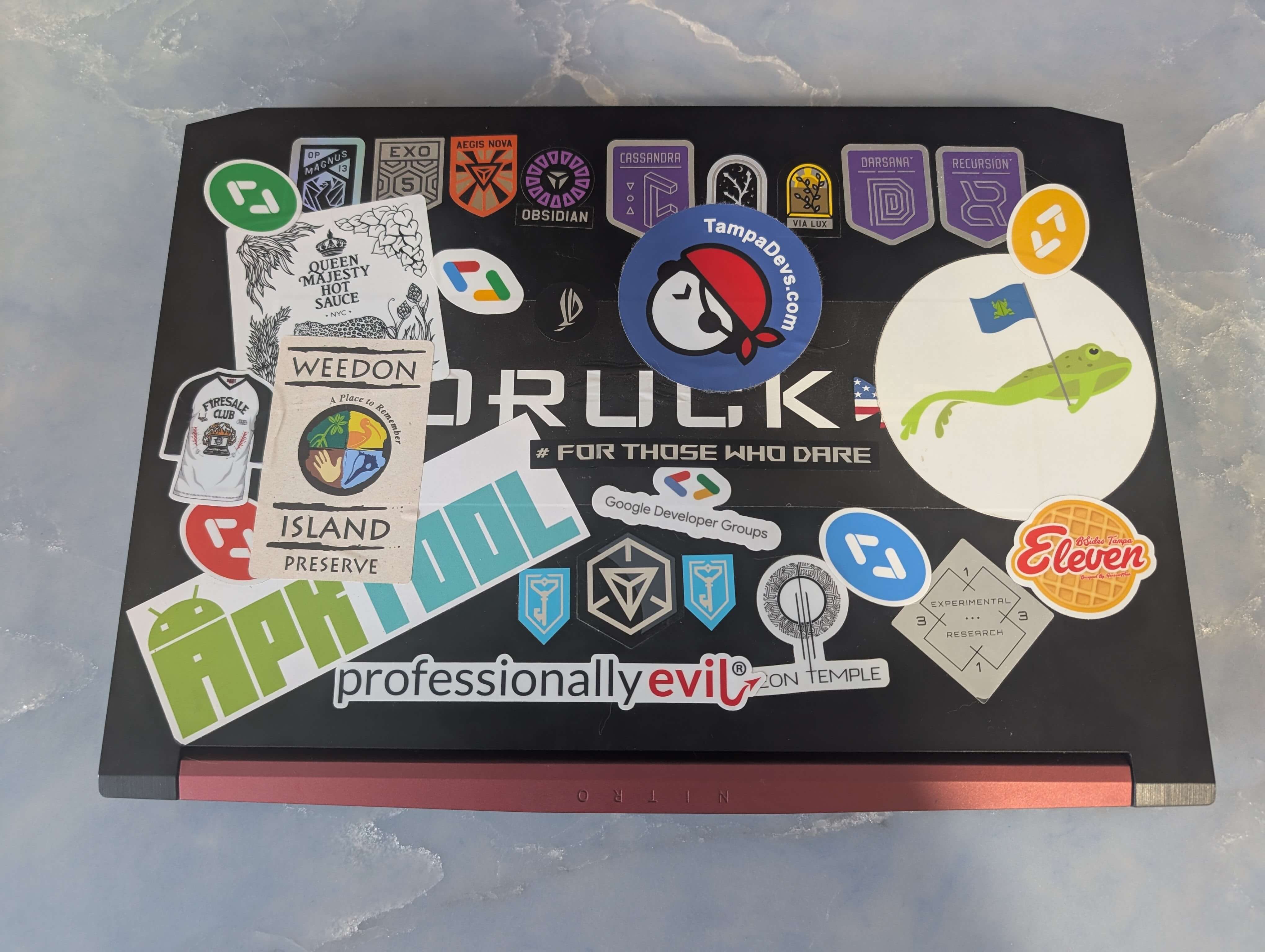
I drove off to Best Buy and wandered the store researching any laptop I could buy at that moment and left with an Acer Nitro 5. This was a $700 laptop that I was going to use as a temporary laptop until I could really research a new purchase, but I ended up using that laptop until this blog.
I setup this new laptop with LUKS Encryption and generally made my life more difficult than it needed to be. Throughout these years this laptop worked, but needed some major building when I needed to like expand the /boot partition or fix my NVIDIA drivers.
At work my laptop had been upgraded every few years (2016, 2019, 2022, 2026) and I had made the transition in the MacBook world from Intel to Apple silicon and now was rocking an M4 chip at work. That work computer was fast and I started realizing that waiting minutes for a compilation was not normal when my work laptop could do it in seconds.
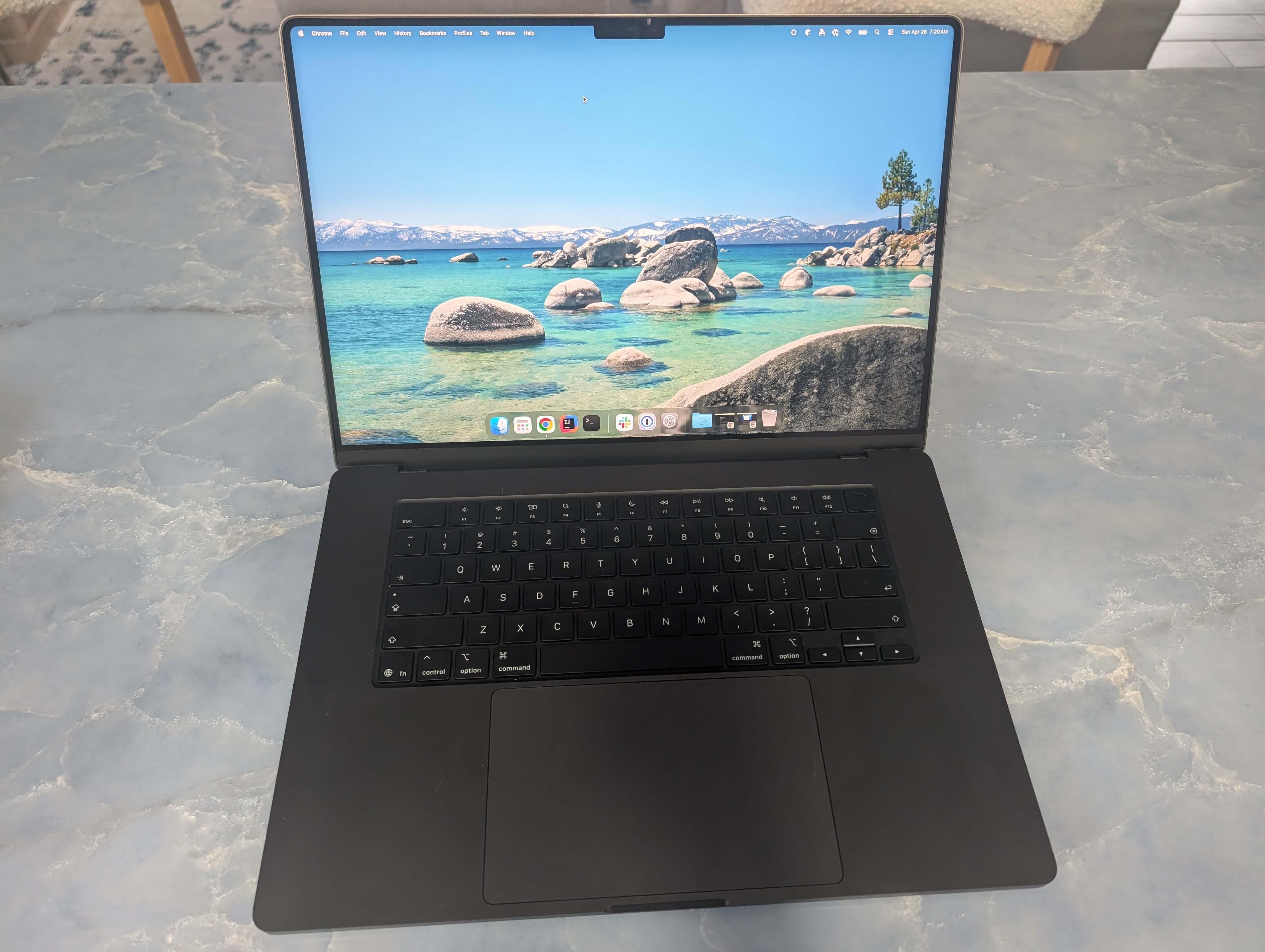
I started wondering if I should obtain a MacBook Pro as my next laptop and sure enough this weekend I purchased a new MacBook Pro (M5 Max) which is quite a powerhouse of a machine. For those in the industry this wasn't a cheap purchase, but I started researching the cost I paid for laptops in 2011 and 2023 (1500 & 700) and did some math the years those laptops were used. Basically the cost broken down was $146/year for 15 years of 2 laptops. I felt spending only $150/year on something I use every single day for multiple hours was something I could spend a bit more money on.
Knowing work replaced my laptop every ~3 years I felt like I really pushed my existing personal equipment longer than most engineers do. So as I booted up this new machine I was really interested in running some tests on some common tasks I do. Here is a breakdown of my Acer Nito 5 and MacBook Pro.
Building fastlane docs.
- 22.55 seconds - Acer
- 5.24 seconds - MacBook
Building Apktool
- 52.4 seconds - Acer
- 12.1 seconds - MacBook
Running Leaf test suite.
- 39.41 seconds - Acer
- 8.88 seconds - MacBook
If you average those differences it was roughly a 4.4x improvement on my previous hardware. It was pretty crazy the difference and working on open source stuff was pretty fun again as I wasn't spending most my time just waiting on compilation or downloads. Now with the benefit of having a beefier machine I can build AOSP without an external drive and hopefully run an LLM (AI) locally.
It was Donna and Tom in Parks and Recreation that said - "Treat yo self" and I just did with the help of my GitHub sponsors. I'll take this boosted hardware and improve everything I contribute towards in a faster way now.