
GitHub, AI & An Influx of Content

A few weeks ago I saw a website (The Missing GitHub Status Page) that tallied up GitHub outages into a real historic outage bar, because at the time GitHub's interface failed to show any historical information. This page garnered enough attention and popularity that GitHub added a 90 day history to their own page accompanied by a blog post explaining why.
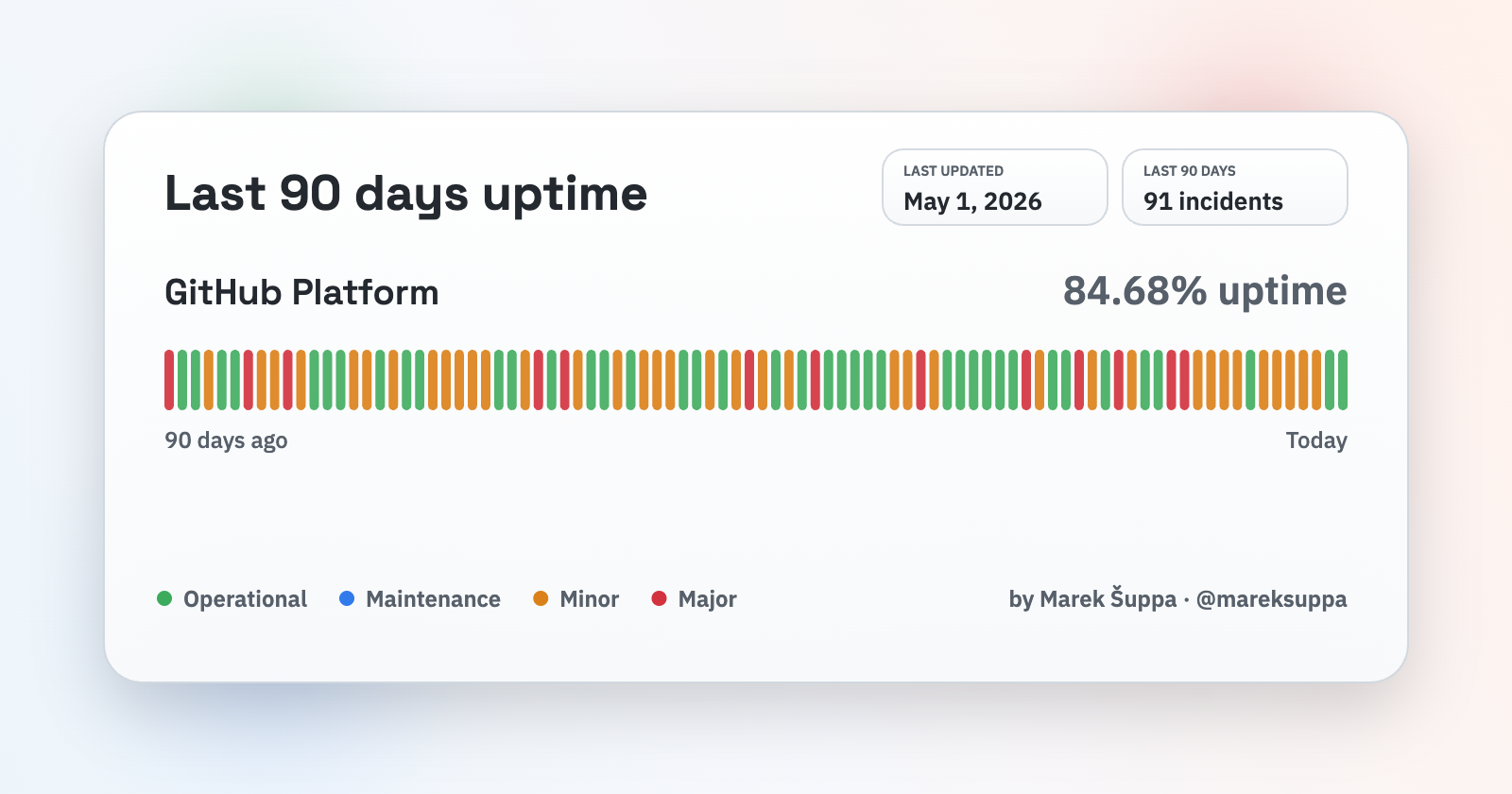
About a week later another blog came out titled "An update on GitHub availability" which tried to shed some light on recent GitHub incidents. This post basically broke down that GitHub usage is up a lot and the reason is agentic (AI) development workflows.
From my perspective looking over fastlane, OpenAI for PHP and Apktool I've noticed a bunch of things on the rise.
AI Spam
I wrote an entire blog post about the spam and it has no sign of ending. Imagine a user opening up an issue, which is supposed to be a bug report, but instead is some generic post summarizing to "it doesn't work". There is probably already a comment on the issue from some unrelated account guiding the user to resolution with some purely LLM generated text.
The LLM message may be full of advertising links or edited in later, but you are starting to debate disabling notifications so your inbox isn't full of useless spam. You turn off notifications to reduce a cognitive load on your mind, but now trade discovering content much later and watching your repositories slowly increase in spam.
Agent PRs & Bug Reports
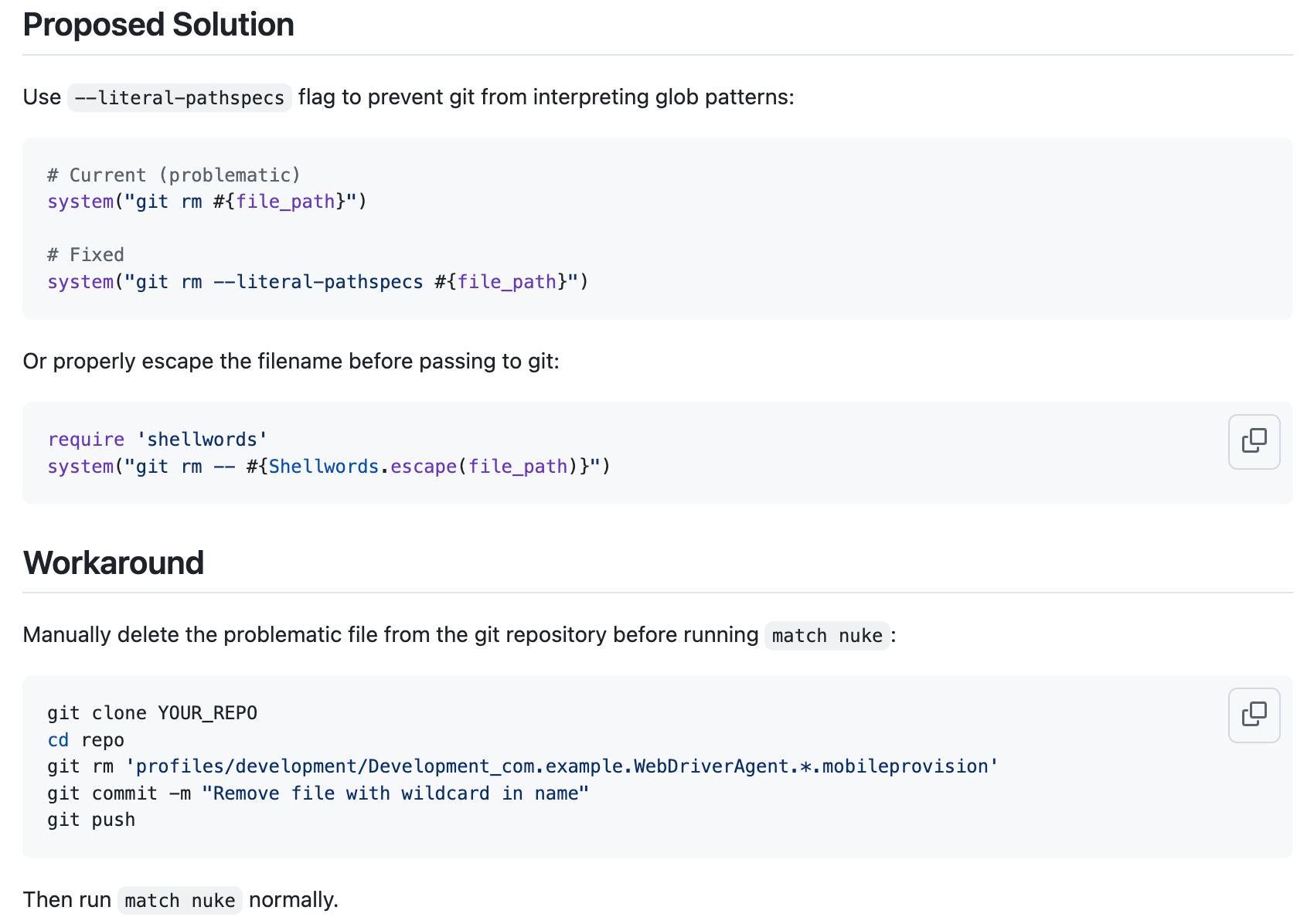
Alongside the LLM is the agent that is trying to be helpful building the most verbose bug report in history. Your repo may have a template for submitting bugs, but the AI knows better. It'll give you paragraphs of explaining the expected behavior but what actually occurs. It'll dive in giving a root cause analysis providing an chunk of logs and evidence. Finally ending up with a proposed solution, related code and any possible workarounds.
It's so much content that may or may not be accurate and is daunting to read. It may be accurate and save you time and be appreciated. It may be a complete hallucinated language parameter that is not available or be a change that forgot to remember it has to be cross platform compatible. All that to say you sometimes miss the 4 sentence bug report that is straight to the point of the flaw.
Recreation with AI
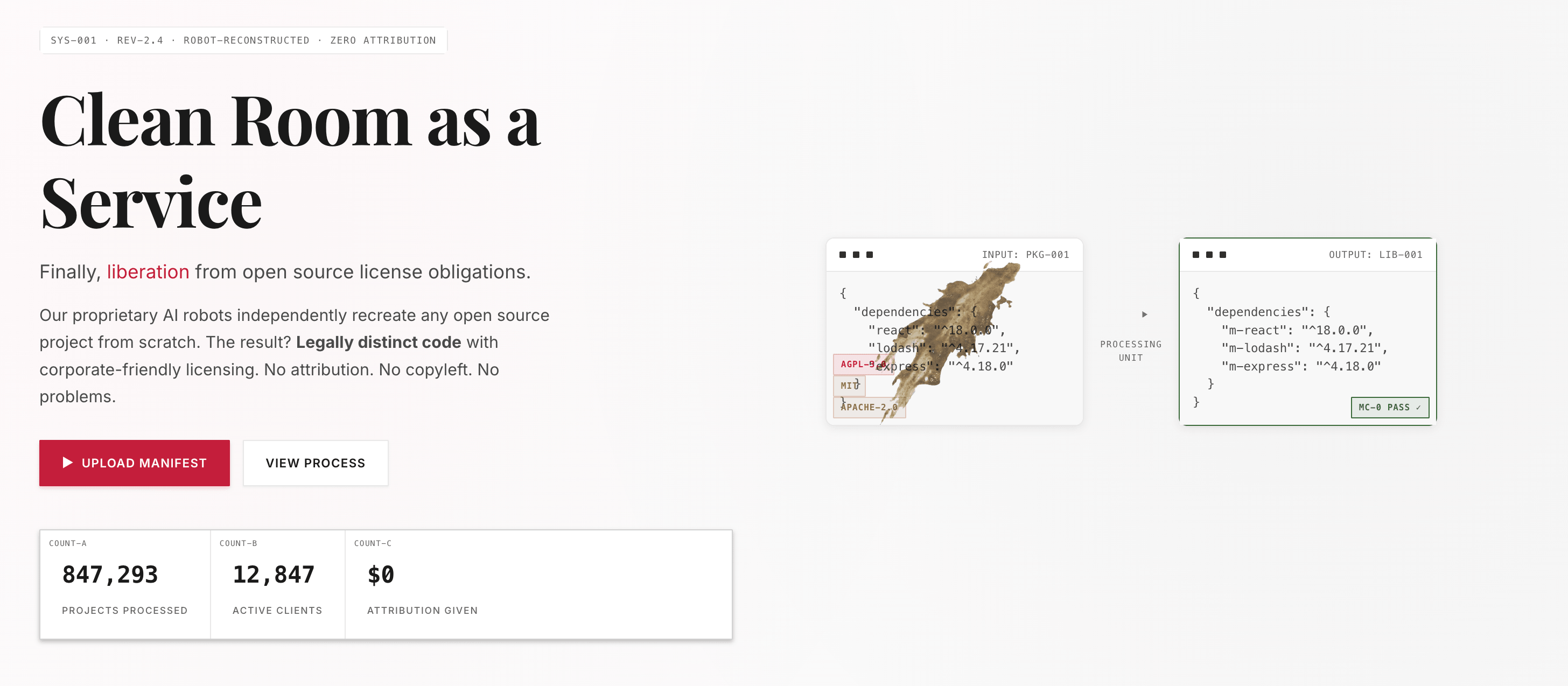
Twice now I've had my attention brought to projects that are rewrites of an existing project I maintain with the goal to modernize, enhance and fix long standing issues. In both cases in a programming language different than the source. It all sounds good in theory, but I think we should examine exactly why this process is successful.
A lot of the success I attributed to the replacement software was its ability to learn from all the context, history and mistakes of the previous project. Maybe we are reaching an era that AI is solving things on its own, but I'd like to believe it solved problems from the decades of research published on our own.
I started wondering if the era of niche tooling is over. Take fastlane for example which automates publishing applications to Apple and Android since 2014. In the 10+ years since then both platforms have launched more and more methods to automate a pipeline for app release. So with a bit of scripting and networking you can have a fastlane replacement built.
It would be custom built for just you with only the features you need. You probably have no idea how it operates under the hood and maybe that is alright. You just hammer the agent to fix it anytime it goes wrong. I get worried what that looks like in 10 years when we've atrophied the actual engineer studying and solving these problems instead relying on an agent to solve our problems, but thats a topic for another blog.
All of this to say - I think there are a lot of short term gains with "vibe-coded" replacement projects and I'm curious how they look in a few years.
All of this thinking because GitHub's uptime has been abysmal and they believe the exponential rise in AI has lead to this stability issue. I don't know who to believe, but I can tell AI is changing the game for software development.