
The rise of everything.

I was cleaning up my Google Photos and saw a photo I took on November 29, 2014 in the middle of Overland Park, Kansas. It was a receipt from Smashburger that had a Classic Smash ($4.99) and a Classic Big Smash ($5.39) and it was a nice refresher to remember the prices of the past.

The Tampa location a decade later now has that Classic ($7.79) and Big ($10.29), which doesn't really reflect the past of sizes (small, regular, big) but either way if we lock in on the classic - prices keep going up. Gone are the days of getting a burger, fries and drink for under $10. I really examined the price of a regular single McDonalds hamburger from 1963 to 2020 in a different blog post, so I'll withhold another hamburger comparison this time.
So then I got curious what else really had an increase and I found my receipt from Netflix from 2011.
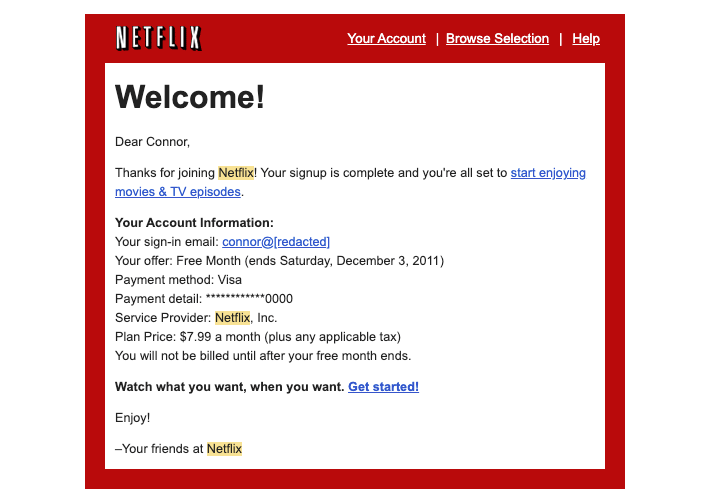
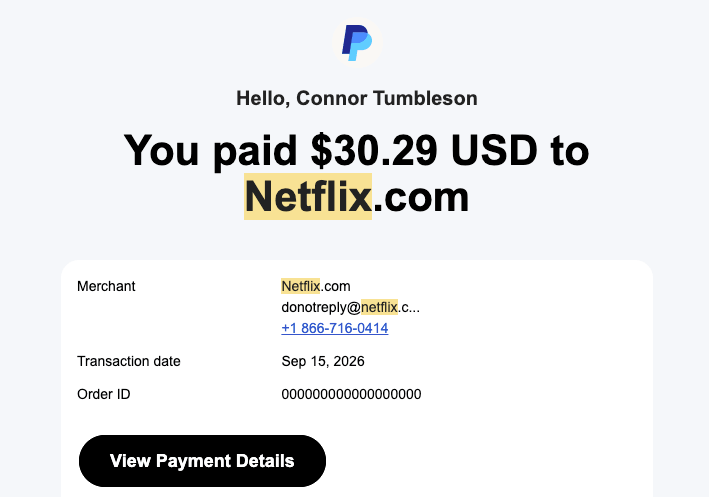
2011 vs 2026 Netflix payments
I paid $7.99/month and now I am paying $30.29/month for no ads, 4K quality and immersive sound. The plans are not comparable, but the standard plan today is $19.99/month which seems closer to my original 2011 plan.
What bugs me about Netflix is a common complaint I have with most subscription services that your price is built on the entire package even if you don't utilize it all. I wanted 4K quality, but that is only on the premium plan which then gives you 4 devices concurrently watching and 6 offline downloaded. Right now this account is only for me and Alyson so we barely hit any of the limits offered - we just want the 4K.
It reminded me of basically any service online. They all follow this pattern of roughly:
- Design a really cool solution at affordable price attracting customers.
- Continue iterating and expanding solution to attract more customers.
- Decide your cost structure no longer matches offering and increase prices.
- Decide revenue over anything - increase pricing and/or rework pricing.
- Lose customers to a cool new solution and the cycle repeats.
This has happened in my memory to solutions like Postman, GitLab or Heroku which all fit this profile. These were all great pieces of software or solutions that continued to expand their profile justifying their cost increase. Problem being most of those solutions were not relevant to my usage so the increased cost hurt. Without a customized plan of features vs price I left all of those products.
Insomnia became my Postman replacement because prices kept going up with myself only depending on Postman syncing. GitHub became my GitLab replacement once GitHub had free unlimited private repos and Render replaced Heroku because once Salesforce acquired Heroku - it just slowly started sucking while the prices kept going up.
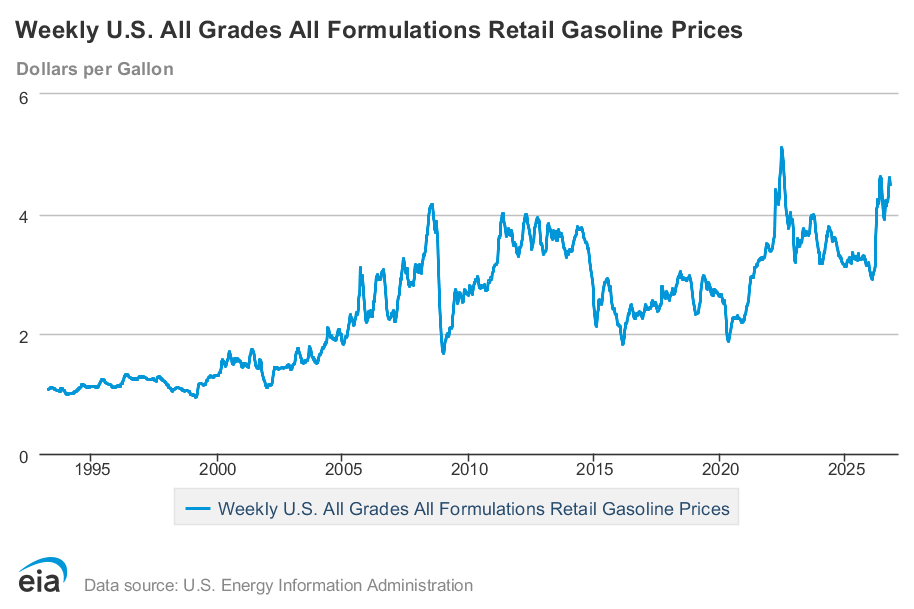
It isn't too difficult to draw this parallel to gas prices, but gas prices keep going up and unfortunately Tampa is pretty much a driving city. Thankfully owning a hybrid now my gas spend isn't as much as it used to be, but I need a few more years of ownership to see if the more expensive cost of the car will win out over the price of gas.
Alternatively, maybe I'm just ranting about inflation. All I know is walking into the grocery store and finding a skirt steak for $37 that is barely over a pound is ridiculous.